DGB HASHRATE CHART / DIGIBYTE MINING DATA / JUNE 2026

DGB hashrate chart: five algorithms, one ledger, zero excuses for bad data.

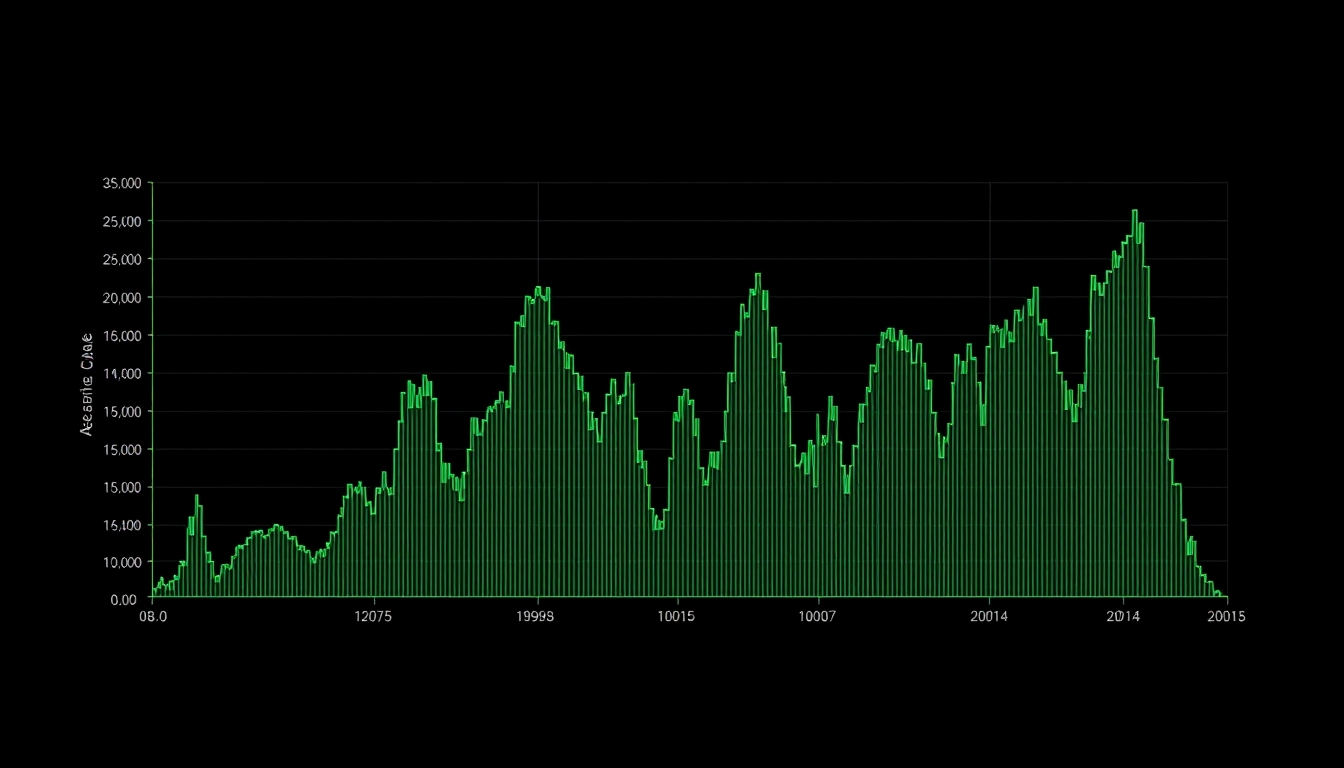
DigiByte runs five concurrent proof-of-work algorithms simultaneously — SHA256, Scrypt, Skein, Qubit, and Odocrypt — each contributing its own share to the total network hashrate. The combined dgb hashrate chart is not a single miner's output; it is the aggregate of every GPU, ASIC, and CPU pointed at the network at a given moment. Reading it correctly means understanding which algorithm produced the spike, whether it came from a coordinated pool shift, and what difficulty adjustments followed. The full DigiByte algorithm and mining guide covers how each algorithm operates independently and what its hashrate signal actually means for participants.

Direct answer:
A DGB hashrate chart shows five separate algorithm streams merged into one view — SHA256 (ASIC-dominated), Scrypt (ASIC/GPU), Skein, Qubit, and Odocrypt (GPU/CPU-friendly). A spike on one algorithm does not reflect the others. Verify which algorithm your mining software targets before interpreting the chart as a signal about your specific hardware's contribution.
What this site covers:
Subsocket publishes hashrate data guides for DigiByte mining — how to read per-algorithm charts, how difficulty adjusts independently on each algorithm, what pool data to verify, and which patterns recur in DGB mining offers that misrepresent hashrate figures. No accounts, no deposits, no investment advice.
01

How to read a DGB hashrate chart

DGB hashrate chart showing DigiByte five-algorithm mining network data visualization

DigiByte's five-algorithm design was introduced to prevent ASIC monopolization — the same motive behind Monero's RandomX and Vertcoin's Verthash. Seriously though — each algorithm adjusts difficulty independently every block, meaning a SHA256 ASIC farm coming online raises SHA256 difficulty without touching Skein or Odocrypt. The hashrate chart aggregates all five, which makes a single-algorithm event look smaller than it is and a multi-algorithm shift look larger. Four data points determine whether a DGB hashrate chart reading is actionable.

01 / Algorithm layer

Identify which of the five algorithms the chart is displaying. Aggregate charts merge SHA256, Scrypt, Skein, Qubit, and Odocrypt into one line using hash equivalence normalization — the conversion is approximate, not exact. Per-algorithm charts on DigiExplorer show independent lines without normalization artifacts. A spike on the aggregate chart that does not appear on any per-algorithm chart is a data rendering issue, not a hashrate event.

02 / Difficulty adjustment

DigiByte adjusts difficulty every block per algorithm using the DigiShield v3 / MultiShield mechanism — roughly every 15 seconds for each algorithm independently. A sudden hashrate increase on one algorithm triggers a difficulty rise on that algorithm within the next block. USD-denominated mining revenue projections that ignore per-algorithm difficulty changes are structurally wrong before the ink dries on the contract.

03 / Pool attribution

Public DGB mining pools — DigiHash, HashBros, and PoolBay — publish per-address hashrate contribution without requiring account registration. If an operator claims a specific DGB hashrate allocation on your behalf, verify the pool address on the pool's public statistics page. A dashboard number that cannot be confirmed against a public pool record is the operator's number, not the network's.

04 / Hardware match

SHA256 and Scrypt algorithms are ASIC-dominated; Skein, Qubit, and Odocrypt remain GPU-accessible as of 2025. An operator offering DGB mining on Odocrypt with ASIC hardware specifications is offering incompatible hardware. The algorithm determines the valid hardware class — this is not a detail buried in the whitepaper, it is the first line of any legitimate mining specification.
02

DGB hashrate red flags

DigiByte mining red flag detection — hashrate manipulation and fake DGB mining offers

In 2021–2022, a cluster of cloud mining platforms offered DGB hashrate contracts with fixed monthly USD returns. DigiByte's network hashrate increased 340% between January 2021 and April 2022, per DigiExplorer on-chain data. Difficulty rose proportionally. The platforms' fixed return figures did not. Post-mortem breakdowns found identical structure: no verifiable pool address, referral revenue described as mining yield, and cooperative branding applied to what were functionally unregistered investment schemes. If the return figure survives a 340% hashrate increase unchanged, it is not a mining return.

Fixed DGB return figures

DigiByte difficulty adjusts every block per algorithm — roughly every 15 seconds. A DGB mining offer quoting a fixed monthly percentage denominated in USD makes two simultaneous predictions: that DGB's USD price will not change and that network hashrate will not change. Both are wrong by definition on a live network. Fixed return figures on variable-output hardware are the structural signature of a scheme that pays earlier participants from later participants' deposits.

No pool address

DigiHash, HashBros, and PoolBay all publish contributor addresses without login. A DGB mining operator who cannot share a pool address tied to declared hashrate has no auditable connection between your payment and any running mining hardware. The absence is not a privacy measure or a technical limitation — it is the answer to the question of whether the hardware exists.

Algorithm mismatch

Operators who describe DGB mining without specifying the algorithm are describing a product they do not understand or a product they have not built. SHA256 DGB mining requires ASICs. Odocrypt DGB mining requires GPUs — and Odocrypt forks periodically to remain ASIC-resistant. An offer that does not specify the algorithm cannot be verified against hardware, difficulty data, or pool records.

Aggregate chart as evidence

A screenshot of an aggregate DGB hashrate chart showing high total network hashrate does not evidence any individual operator's contribution. Network hashrate is the sum of all participants. An operator showing you the network chart as proof of their output is showing you the ocean as proof of their fish.
03

DigiByte's five mining algorithms explained

DigiByte five mining algorithms SHA256 Scrypt Skein Qubit Odocrypt hashrate breakdown

Each algorithm operates as an independent proof-of-work chain sharing the same ledger. Blocks from all five algorithms are interleaved in the DGB blockchain — no algorithm produces consecutive blocks. This design means no single hardware type can control block production, and no single algorithm's hashrate collapse can halt the chain.

DigiByte mining algorithms — hardware and difficulty data
AlgorithmPrimary hardwareASIC-resistant
SHA256ASIC (Bitcoin-compatible)No
ScryptASIC (Litecoin-compatible)No
SkeinGPU (AMD/Nvidia)Partial
QubitGPU (AMD/Nvidia)Partial
OdocryptGPU/FPGA (forks periodically)Yes — by design